

## Introduction
Stress often feels overwhelming when daily demands pile up. Integrating a simple, powerful routine into your day can help you regain control of your body and mind. Learn a series of gentle movements that relax muscles, calm thoughts, and improve circulation. These steps can be practiced anytime—no special equipment or large space needed. Whether you have a few minutes in the morning, a longer stretch in the afternoon, or a quick reset at night, each moment spent following them is a gift to yourself. This routine offers a chance to pause, breathe, and reset, restoring balance and calm in your everyday life. Start each session with a breathing pause to anchor attention. Let the inhale fill you, exhale release tension.
## Mindful Preparation
Stress can create an overwhelming feeling, especially when the demands of the day start to pile up. By integrating a simple, but powerful routine into your daily life, you can regain control over your physical and mental wellbeing. You’ll learn a series of movements that gently relax your muscles, calm your thoughts, and improve your body’s overall circulation. These steps are designed to be practiced at any time of day—no special equipment or large space is required. Whether you have a few minutes in the morning, a longer stretch during the afternoon, or a quick reset at the end of your day, you’ll find that each moment spent following these simple steps is a gift to yourself. It is a chance to step back, breathe, and reset.
## Gentle Stretching
You’ll learn a series of movements that gently relax your muscles, calm your thoughts, and improve overall circulation. These movements can be practiced at any time—no special equipment or large space required. Whether you have a few minutes in the morning, a longer stretch in the afternoon, or a quick reset at night, each moment spent following them is a gift to yourself. This routine offers a chance to pause, breathe, and reset, restoring balance and calm in your everyday life. By committing to these brief exercises daily, you’ll build resilience, improve focus, and experience greater inner peace throughout the day.
## Breath‑Guided Relief
After completing the breathing and stretching, close your eyes again. Picture a serene landscape—perhaps a quiet beach or a peaceful forest. Imagine the air you inhale as cool mist and the exhale as warm sunlight dissolving tension. Allow the scene to evolve with each breath: the sound of waves, the rustling leaves, or the gentle breeze across your skin. This mental imagery reduces anxiety and invites a deep sense of inner peace. As the visualization continues, observe the body’s subtle changes: muscles loosening, heart rate slowing, and a profound quiet settling in.
## Targeted Massage
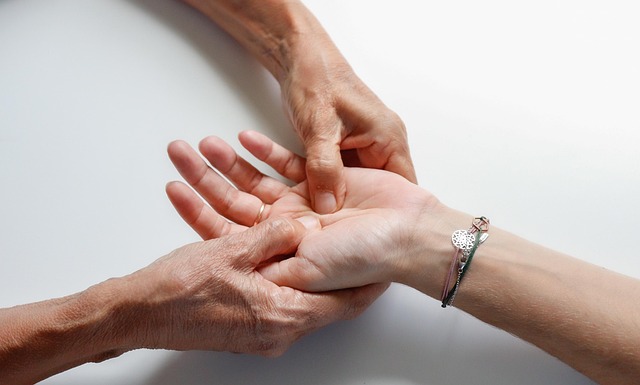
Targeted Massage stimulates blood flow and releases muscle tension. Select an area—shoulders, neck, or lower back—and apply gentle, rhythmic pressure with your fingers. Focus on the pulse of your touch and the release of each muscle fiber. Visualize a wave of relief traveling through the area as you massage. Practice this for a few minutes, noticing how each stroke eases tightness. By concentrating on specific spots, you break the cycle of tension and open space for deeper calm and mindfulness. During this practice, maintain a slow and steady breathing rhythm; each inhale should feel like filling a calm reservoir, while each exhale releases the built‑up tension.
## Breathing Techniques
Breathing is the gateway to calm. Slow, deliberate inhalations expand the lungs, while the exhalation invites release. Practice a simple pattern: inhale for a count of four, pause for a count of two, exhale for a count of six. Focus on the breath’s rhythm, noticing how it changes the heart rate. If distractions arise, gently redirect your attention back to inhaling and exhaling. Visualize each inhale as a gentle swell of breath and each exhale as a release of tension. Maintain this pattern for several minutes, feeling the shift from nervousness to calmness with each breath. Breathing exercises reduce stress by engaging the parasympathetic nervous system, helping the body and mind transition into a state of serenity.
## Visualizing Calm
Visualization transforms relaxation. After completing the breathing and stretching, close your eyes again. Picture a serene landscape—perhaps a quiet beach or a peaceful forest. Imagine the air you inhale as cool mist and the exhale as warm sunlight dissolving tension. Allow the scene to evolve with each breath: the sound of waves, the rustling leaves, or the gentle breeze across your skin. This mental imagery reduces anxiety and invites a deep sense of inner peace. Let your mind surrender to this peaceful imagery, feeling each detail soften your thoughts and calm your emotions. Breathing, touch, and visualization will help you navigate life with composure and ease.
## Integration into Daily Life
By weaving these practices into your routine, you cultivate resilience and a calm core that benefits everyday tasks. Begin your day with mindful preparation, allowing breath to center you. Transition into gentle stretching, encouraging flexibility and opening the body. Use breath‑guided relaxation for quick stress relief. Ground yourself with touch, anchoring each moment in sensory awareness. Target specific muscle groups with massage to release deep‑seated tension. Repeat breathing techniques to maintain calm. Visualize calm scenes to reduce anxiety and foster a tranquil mind. Finally, integrate these moments by setting boundaries, taking micro‑breaks, and practicing mindful pauses whenever overwhelmed. The steady cycle of breathing, touch, and visualization will help you navigate life with composure and ease.
## Conclusion
By weaving these practices into your routine, you cultivate resilience and a calm core that benefits everyday tasks. Begin your day with mindful preparation, allowing breath to center you. Transition into gentle stretching, encouraging flexibility and opening the body. Use breath‑guided relaxation for quick stress relief. Ground yourself with touch, anchoring each moment in sensory awareness. Target specific muscle groups with massage to release deep‑seated tension. Repeat breathing techniques to maintain calm. Visualize calm scenes to reduce anxiety and foster a tranquil mind. Finally, integrate these moments by setting boundaries, taking micro‑breaks, and practicing mindful pauses whenever overwhelmed. Breathing, touch, and visualization help navigate life with composure and ease.